7 – Sin in Passover & Feast of Unleavened Bread In Ancient Israel
If leaven represents sin, where do we find sin in the “Shadow” of God’s Ceremonial Feast system and the “Example” of Israel?
Prior Message On Leaven
This message follows a previous message, A Lesson From The Days of Unleavened Bread. It would be very helpful to become familiar with it before continuing with this presentation.
Introduction of Law & Sin Concepts?
If leaven represents sin, we should be able to find the concepts of law and sin demonstrated in the examples of Passover and Feast of Unleavened Bread.
Specifically, WHEN they are introduced.
Three Places to Look:
- Example in Ancient Israel.
- “Shadow” of the Feast Ceremonial System.
- Fulfillment in the “Historical/Prophetic Time-Line”.
Idea of Sin in Ancient Israel
When we read the Book of Exodus, starting from the very beginning, at what point does God first mention the concept of sin?
It’s not until the day of Pentecost at Mount Sinai that God mentions sin for the first time:
And God spoke all these words: “I am the Lord your God, who brought you out of Egypt, out of the land of slavery. You shall have no other gods before me. You shall not make for yourself an image in the form of anything in heaven above or on the earth beneath or in the waters below. You shall not bow down to them or worship them; for I, the Lord your God, am a jealous God, punishing the children for the sin of the parents to the third and fourth generation of those who hate me,” Exodus 20:1-5 NIV
Introduction of Commandments Concept in Ancient Israel?
Then Moses led Israel from the Red Sea and they went into the Desert of Shur. For three days they traveled in the desert without finding water. When they came to Marah, they could not drink its water because it was bitter. (That is why the place is called Marah.) So the people grumbled against Moses, saying, “What are we to drink?” Then Moses cried out to the Lord, and the Lord showed him a piece of wood. He threw it into the water, and the water became fit to drink. There the Lord issued a ruling and instruction for them and put them to the test. He said, “If you listen carefully to the Lord your God and do what is right in his eyes, if you pay attention to his commands and keep all his decrees, I will not bring on you any of the diseases I brought on the Egyptians, for I am the Lord, who heals you.” Exodus 15:22-26 NIV
Notice
- There is no mention of what the commandments, decrees, or statutes actually are.
- They are not codified until Pentecost at Mount Sinai.
- The covenant is not established until Pentecost at Mount Sinai.
Law? Commandments?
- Not once does God mention ANY of the ten commandments.
- No reference to His Sabbaths.
- God even instructs them about the Feast of Unleavened Bread, but no mention is made about the two annual Holy Days contained within it.
- No mention of not serving other gods. No mention of not worshipping idols.
Hebrews Plunder Egyptians
Tell the people that men and women alike are to ask their neighbors for articles of silver and gold. Exodus 11:2 NIV
And later…
The Israelites did as Moses instructed and asked the Egyptians for articles of silver and gold and for clothing. Exodus 12:35 NIV
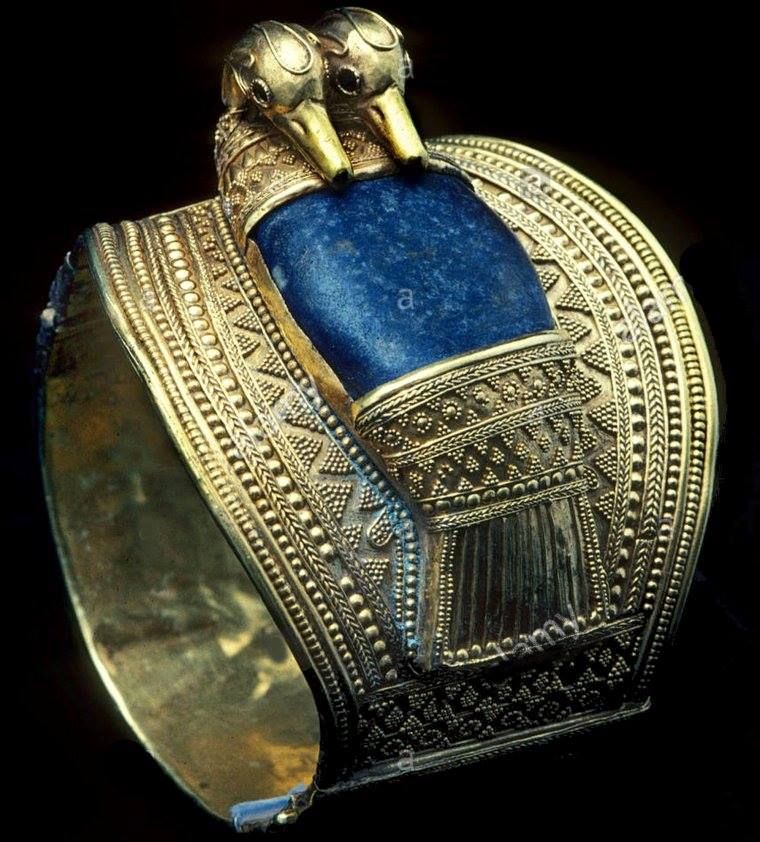
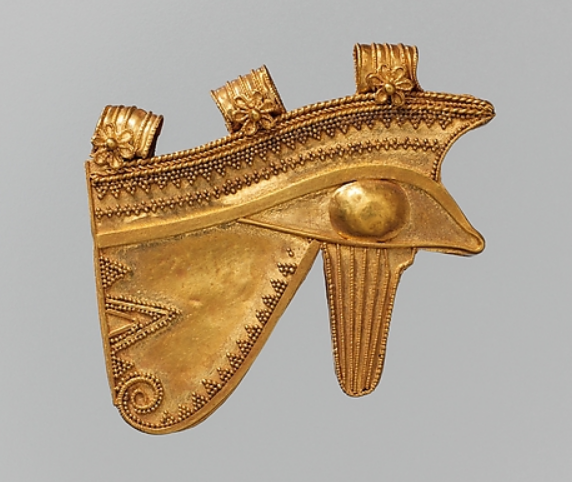
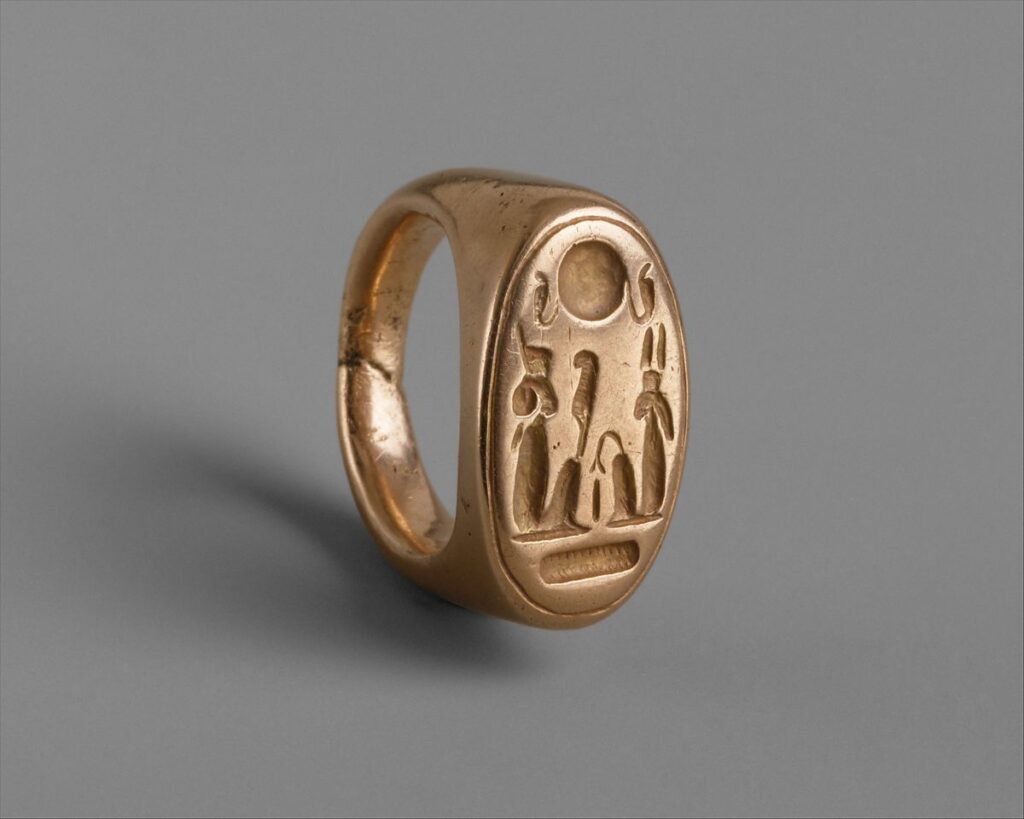
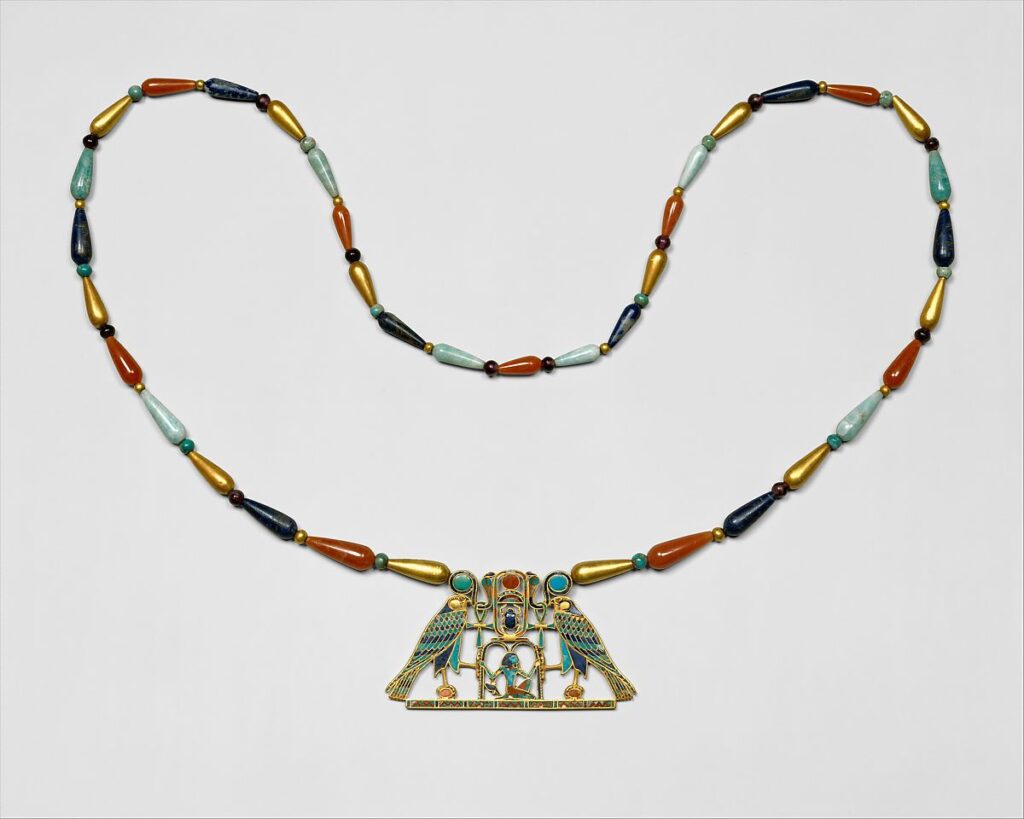
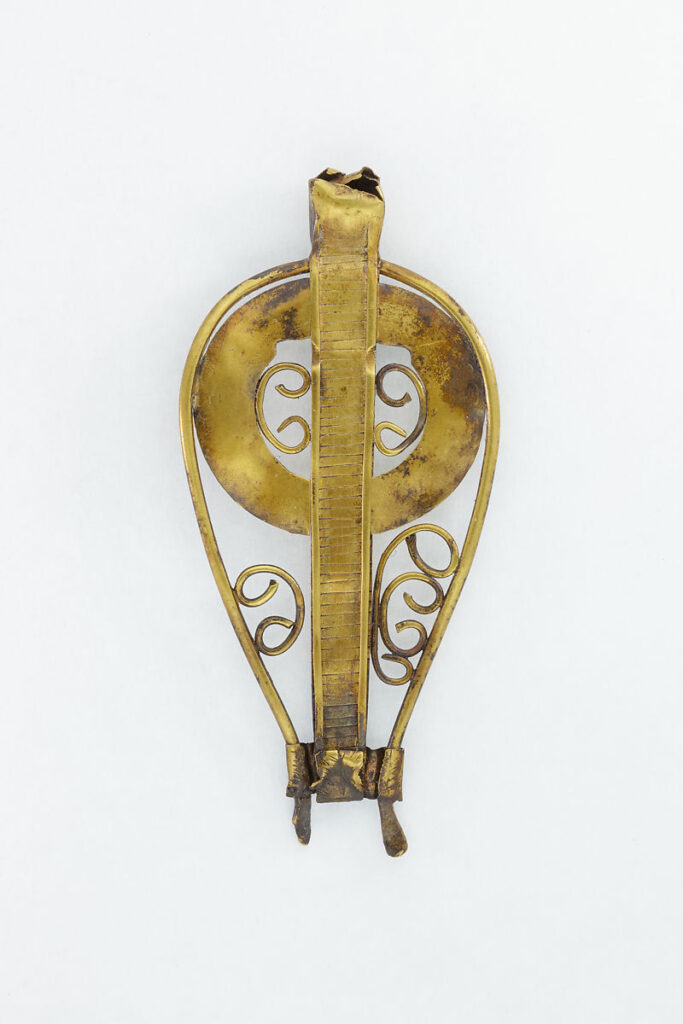
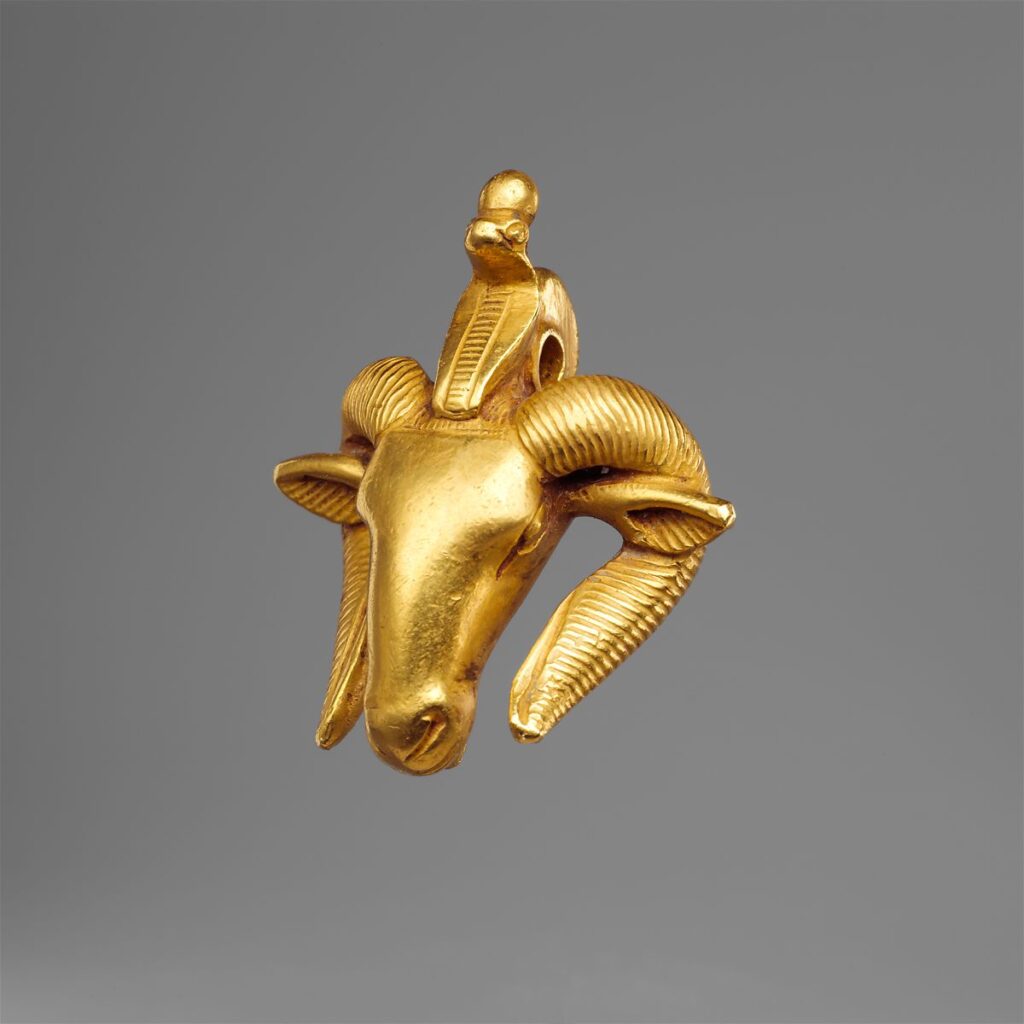
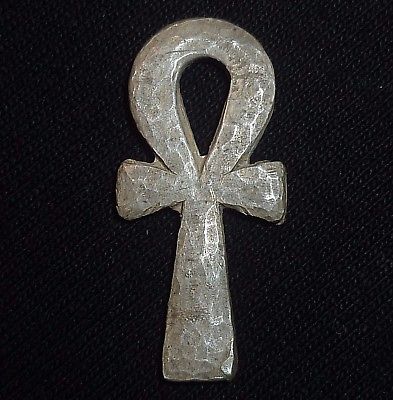
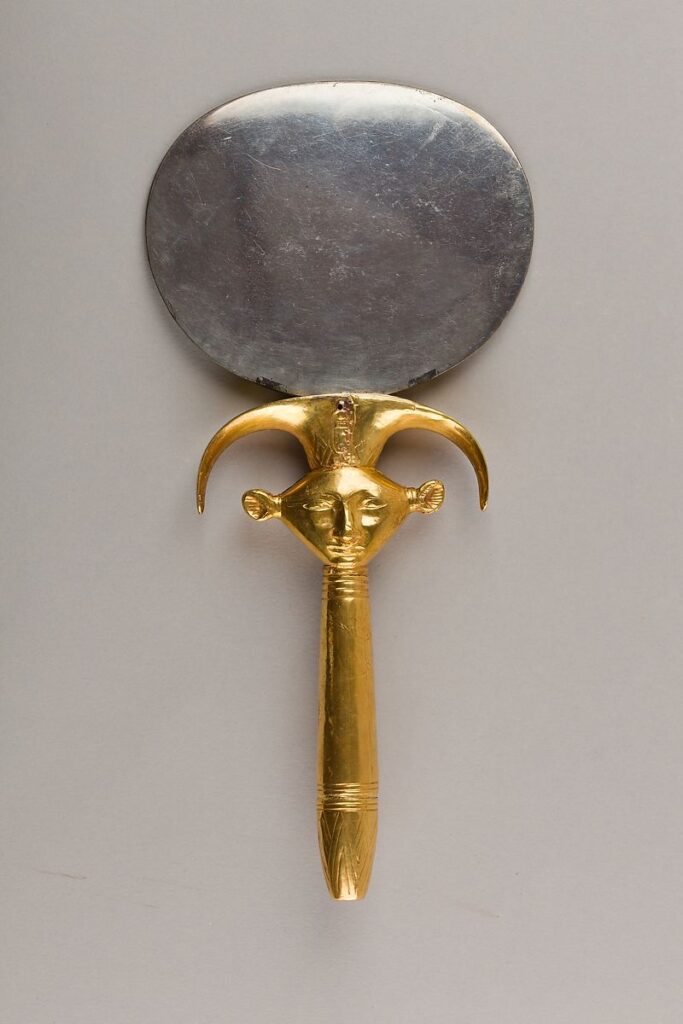
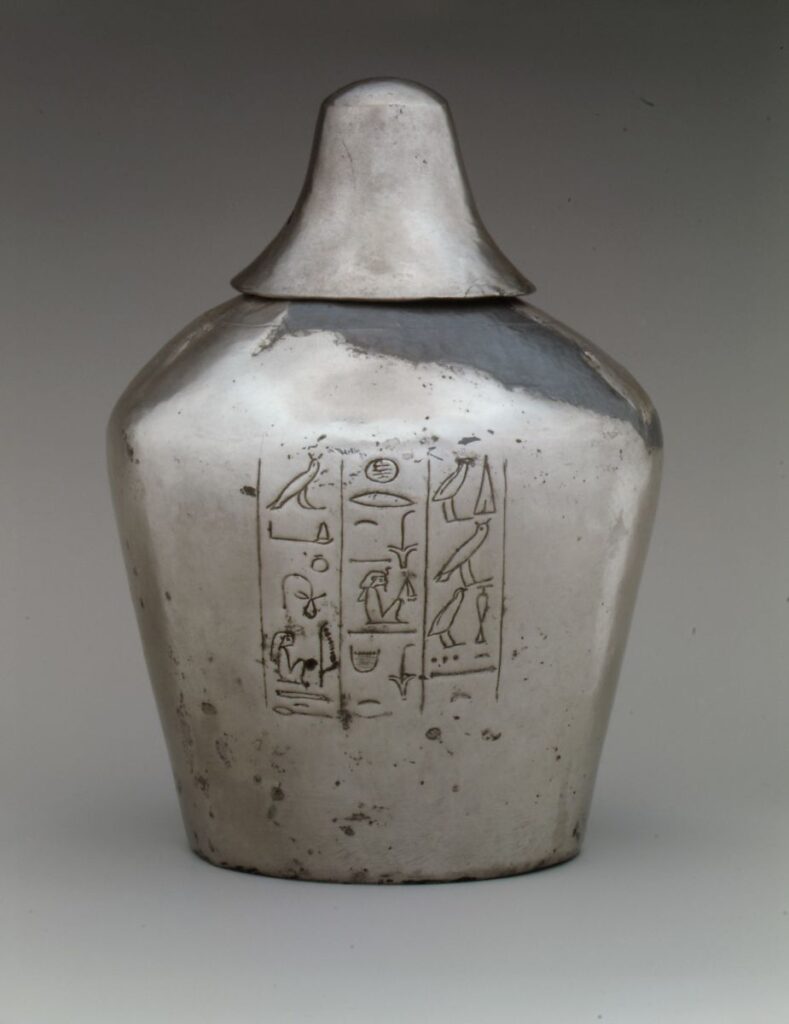
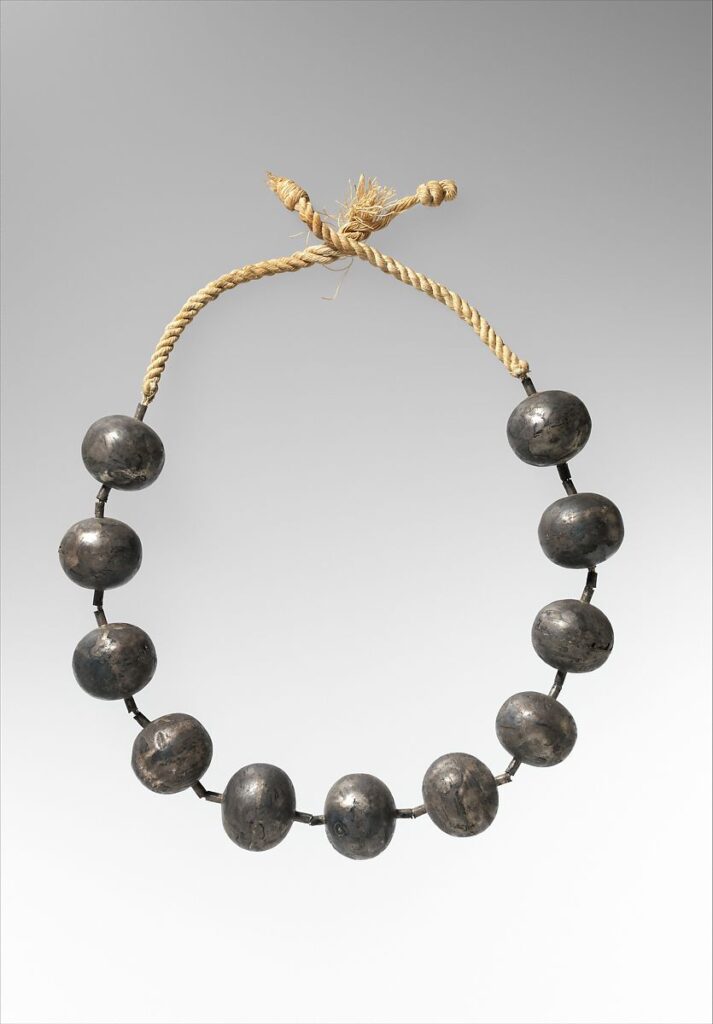
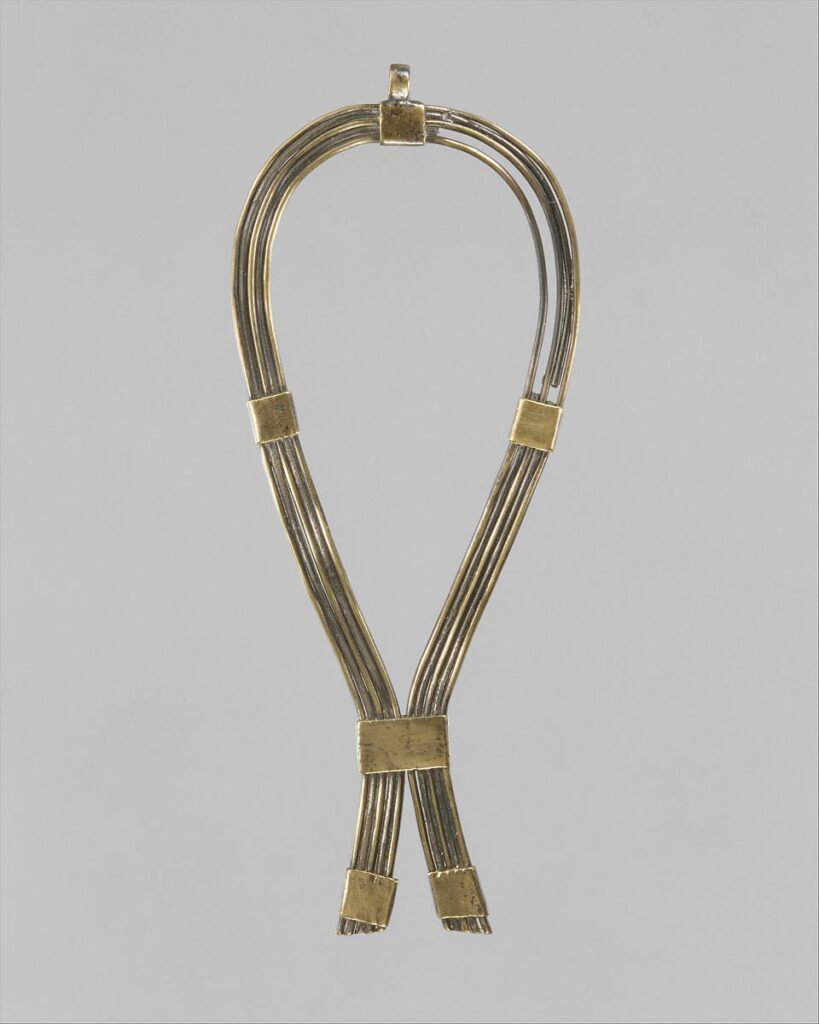
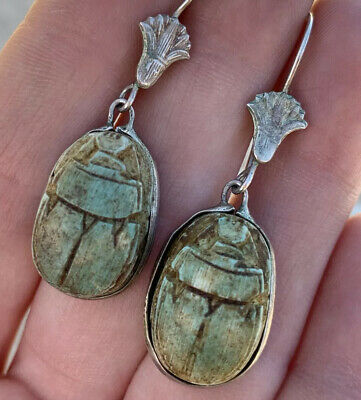
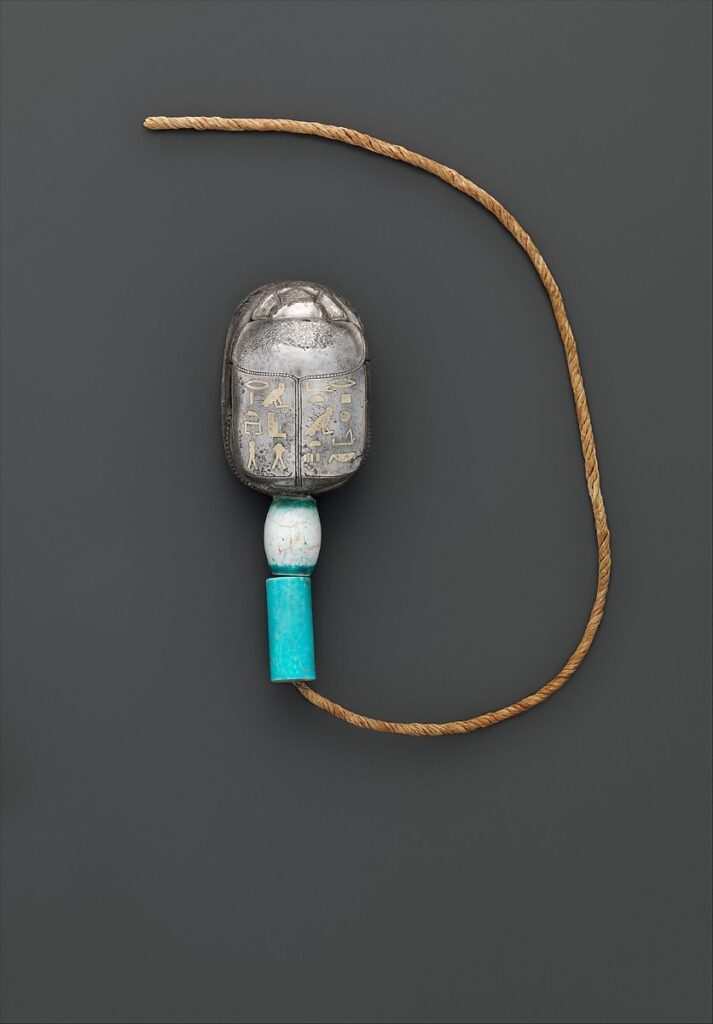
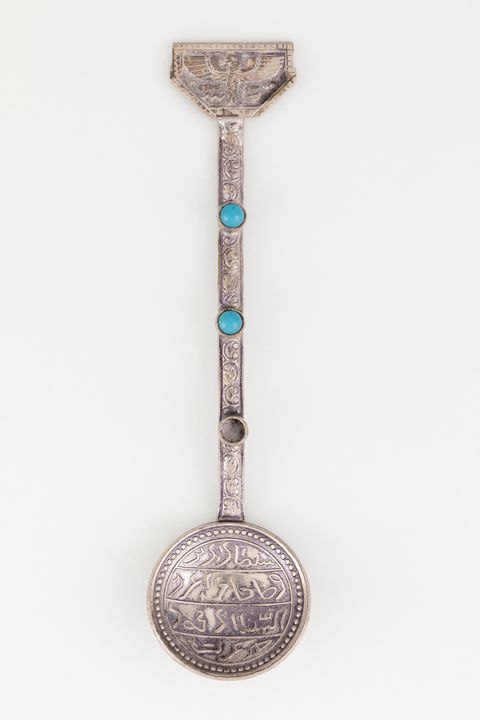
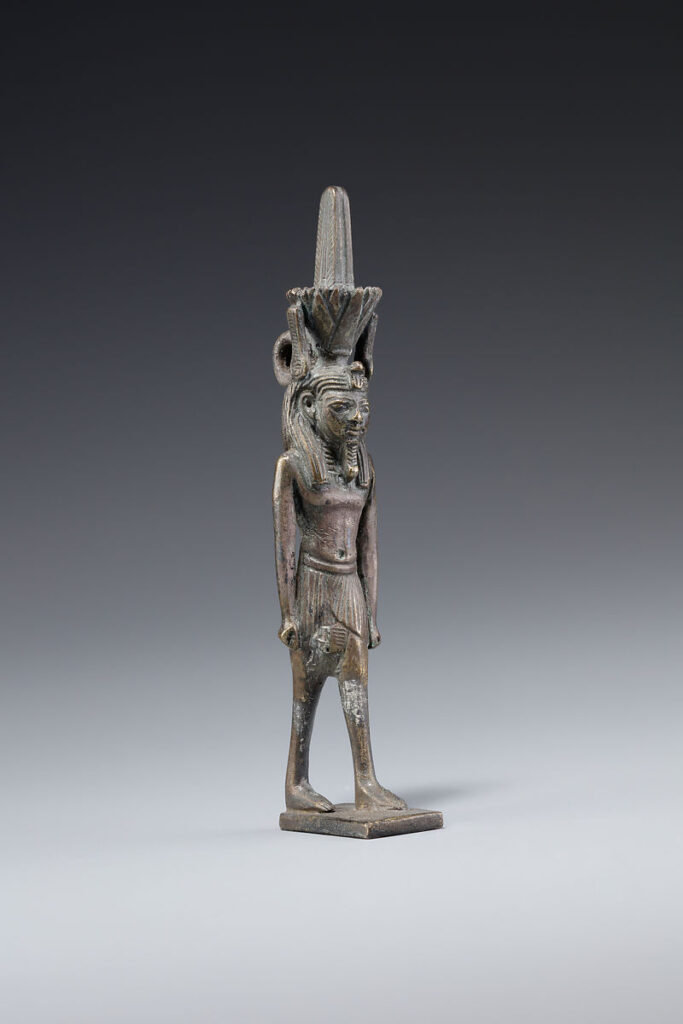
What were these articles of silver and gold? Were some statues of Egyptian gods? Or vases, candlesticks, utensils with images of Egyptian gods? God provides no warning about serving other gods or idols as would be later directed in the first two commandments (Exodus 20:3-4 NIV).
Some Gold & Silver of Ancient Egypt
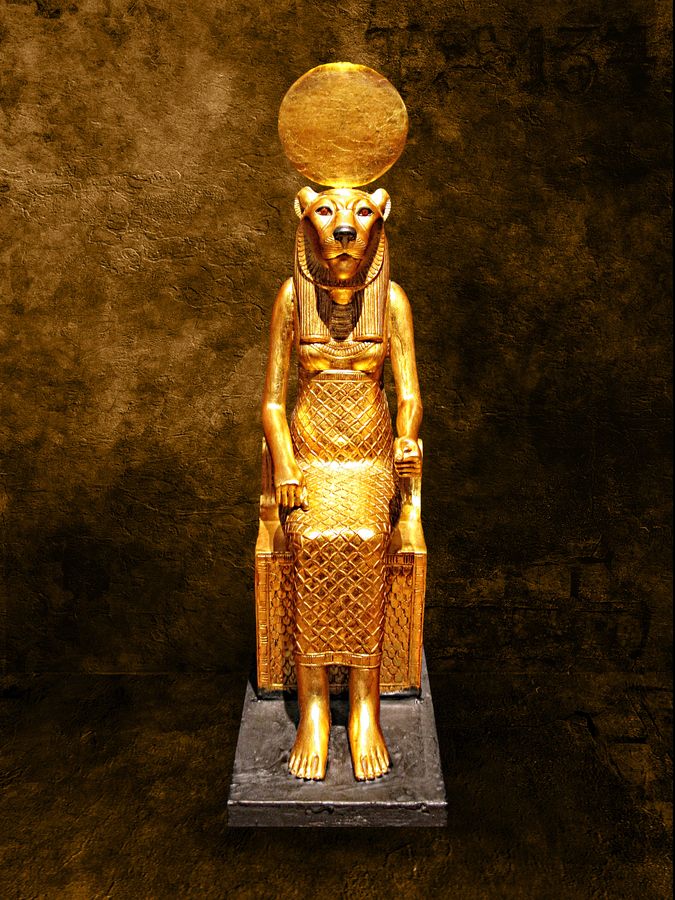
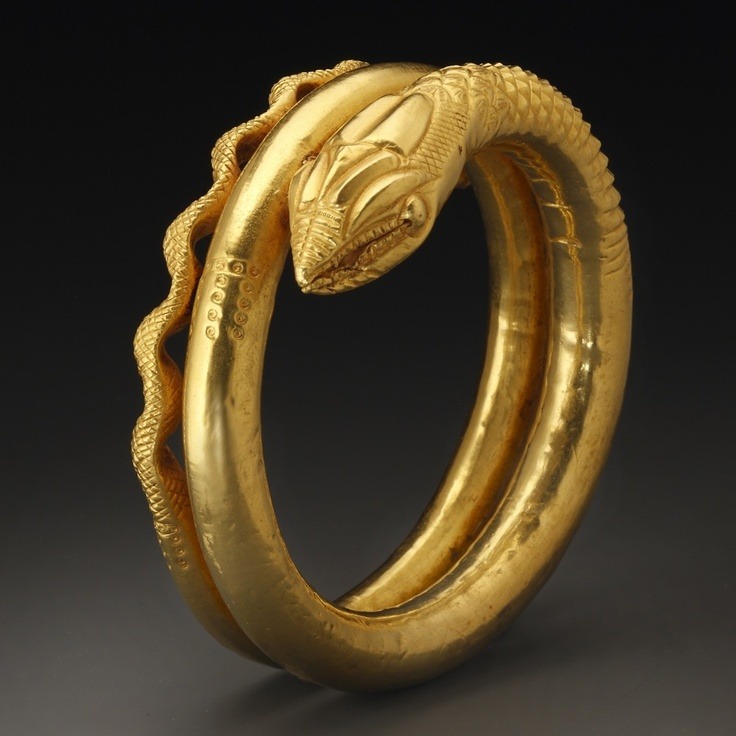
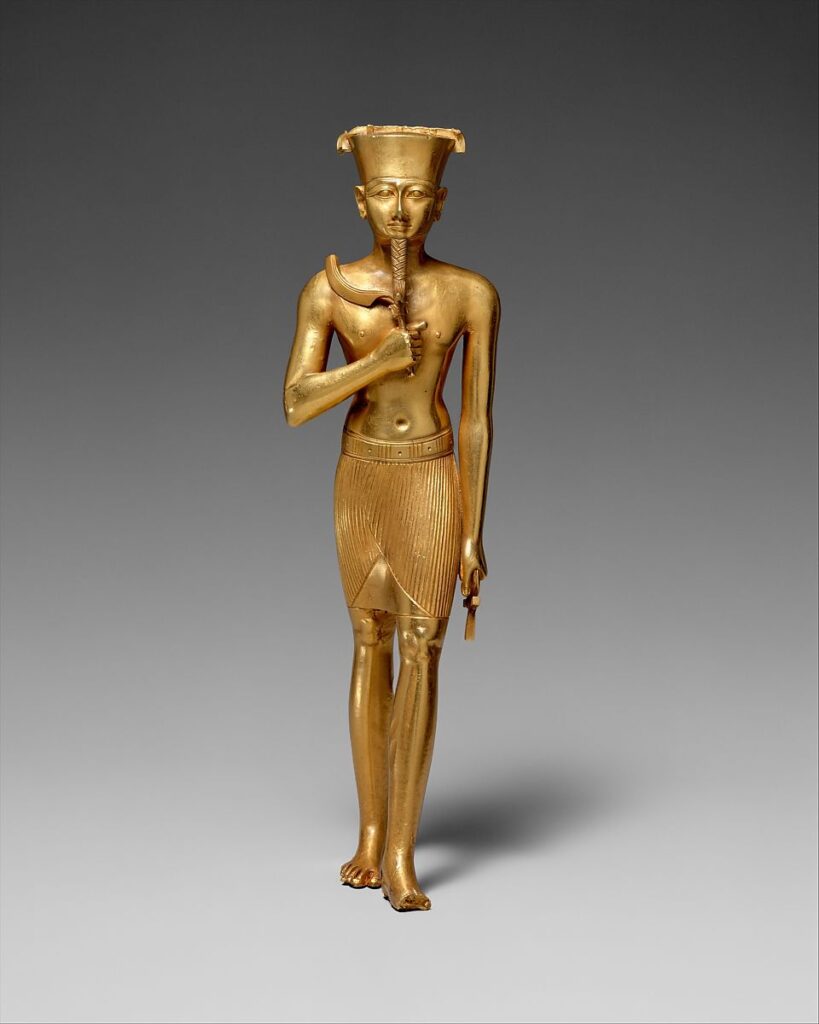
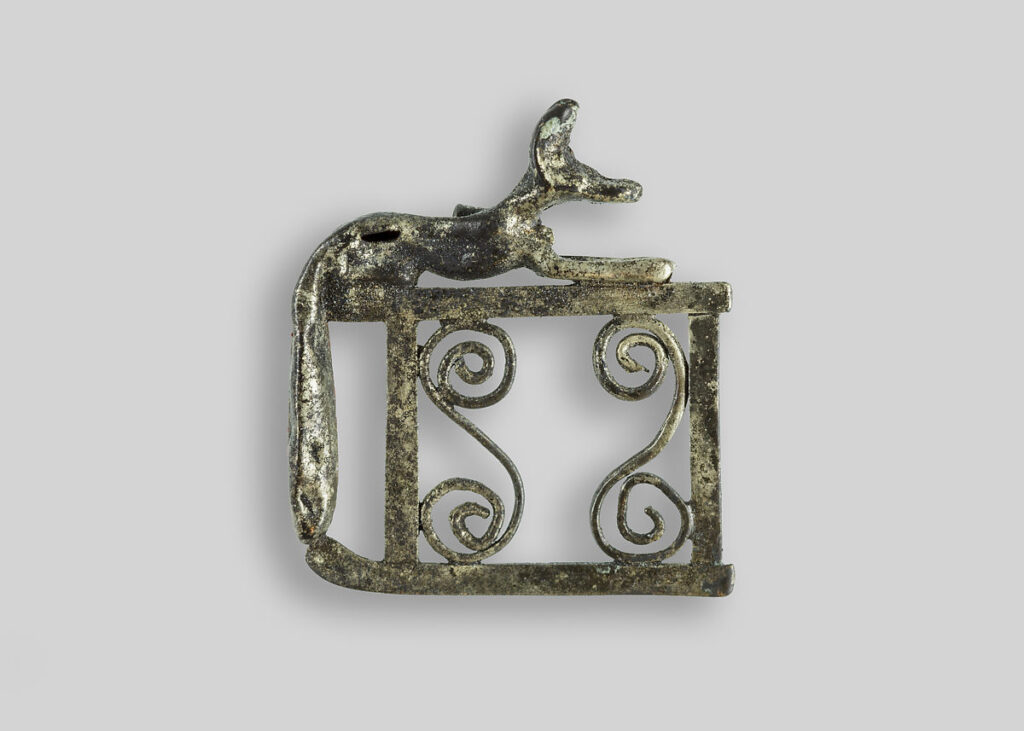
God’s Focus For Passover & Unleavened Bread in Israel
- God has not once drawn our attention to the idea of the law or sin during this time.
- Instead:
- Freedom from Pharaoh (Satan).
- Freedom from slavery of Egypt (Satan’s system, way).
Who Does Mention Sin?
After the 7th plague of hail & fire: Then Pharaoh summoned Moses and Aaron. “This time I have sinned,” he said to them. “The Lord is in the right, and I and my people are in the wrong. Exodus 9:27 NIV
But later…
When Pharaoh saw that the rain and hail and thunder had stopped, he sinned again: He and his officials hardened their hearts. So Pharaoh’s heart was hard and he would not let the Israelites go, just as the Lord had said through Moses. Exodus 9:34-35 NIV
It is Pharaoh that brings up the topic of sin prior to Pentecost.
But what good did it do him?
Pharaoh Continues
After the 8th plague of locusts: Pharaoh quickly summoned Moses and Aaron and said, “I have sinned against the Lord your God and against you. Now forgive my sin once more and pray to the Lord your God to take this deadly plague away from me.” Exodus 10:16-17 NIV
But, again, later…
But the Lord hardened Pharaoh’s heart, and he would not let the Israelites go. Exodus 10:20 NIV
Silly Pharaoh
- Silly, ludicrous, absurd, crazy, idiotic.
- Almost comical, if not so tragic.
- Even Pharaoh’s servants tried to persuade him to let Israel go. Exodus 10:7
- Yet Pharaoh continued to be stubborn, even though he KNEW better!
Sorrow of God Versus Sorrow of The World
For godly sorrow worketh repentance to salvation not to be repented of: but the sorrow of the world worketh death. 2 Corinthians 7:10 AKJV
Backsliding Israel
- Israel would follow the same model
- God took Israel out of Egypt, but He did not take Egypt out of Israel
An Unfortunate Translation
The whole Israelite community set out from Elim and came to the Desert of Sin, which is between Elim and Sinai, on the fifteenth day of the second month after they had come out of Egypt. Exodus 16:1 NIV
This name has absolutely nothing to do with sin, but comes from the root word, “clay”.
Other translations: Sinai (e.g. CEV, ERV), Sihn (e.g. CJB, TLB), Seen, Siyn (e.g. OJB), Ciyn, Syene, Pelusium, etc. See Ciyn.
Sin in the Passover and Unleavened Bread Ceremonial “Shadow” System
The institution of Passover and Feast of Unleavened Bread – Exodus 12
NOTICE: The Passover lamb is NOT a sin offering.
Sin offerings come LATER – The first sin offering connected with God’s Feasts is connected with the Feast of Weeks, on the Pentecost Holy Day:
Then ye shall sacrifice one kid of the goats for a sin offering, and two lambs of the first year for a sacrifice of peace offerings. Leviticus 23:19 NIV
More details of sin offerings are given in Exodus chapters 29 & 30; and even greater detail later in much of the entire book of Leviticus.
Recap
- The ideas of law and sin are not introduced by God until well AFTER the Passover and Feast of Unleavened Bread examples.
- We have tended to view God’s Feasts through the lens of the law, rather than viewing the law through the lens of God’s Feasts – Putting the cart before the horse.
- The greater context is God’s Feast system, of which the law is merely a part.
- It was Pharaoh who first introduces the concept of sin in Exodus.
- Pharaoh’s doctrine, belief system, perspective did not ultimately change him.
- Israel would continue to follow Pharaoh’s example of backsliding.
- What about the example set in the Historical/Prophetic time-line?



2 Comments