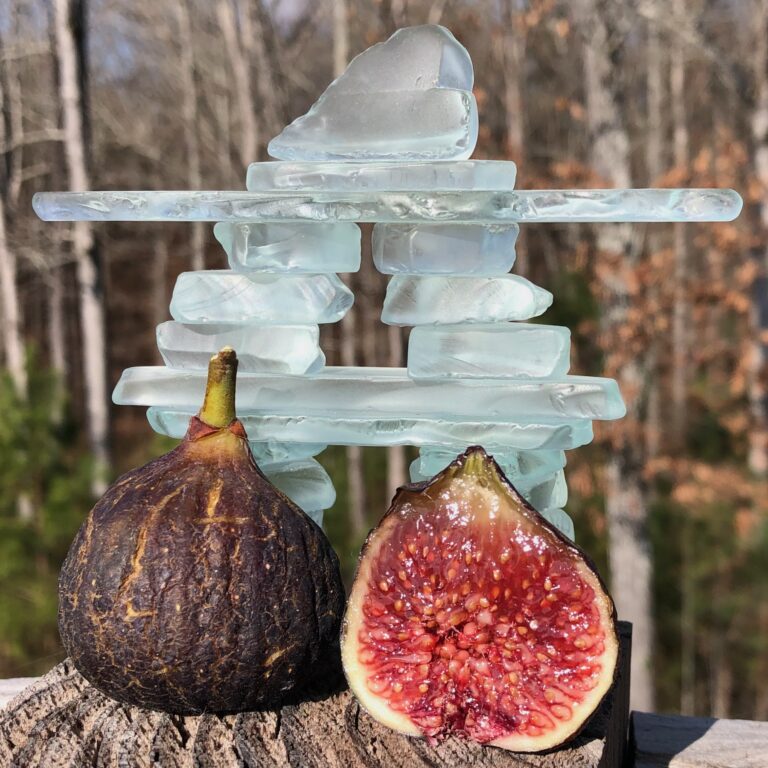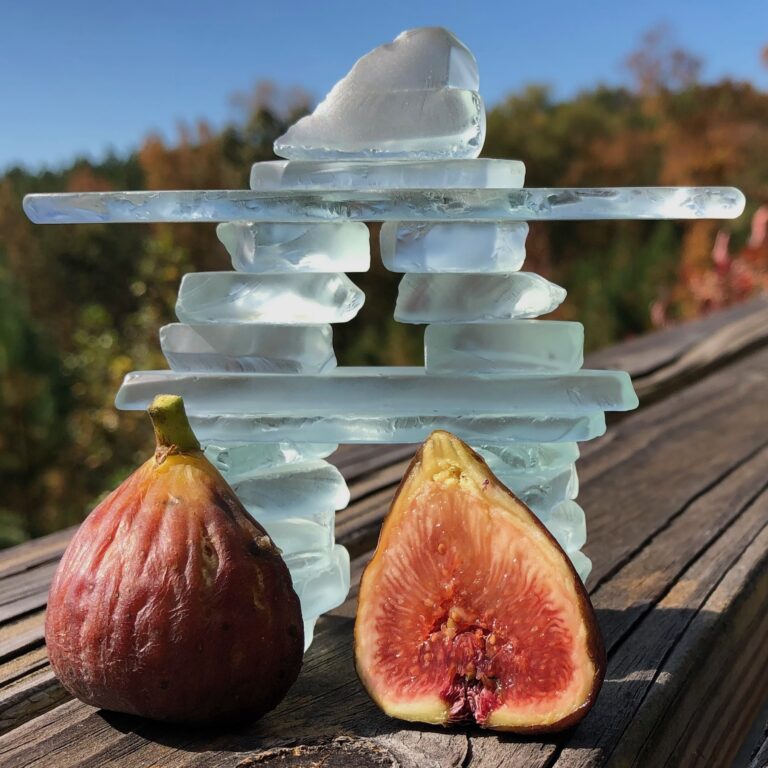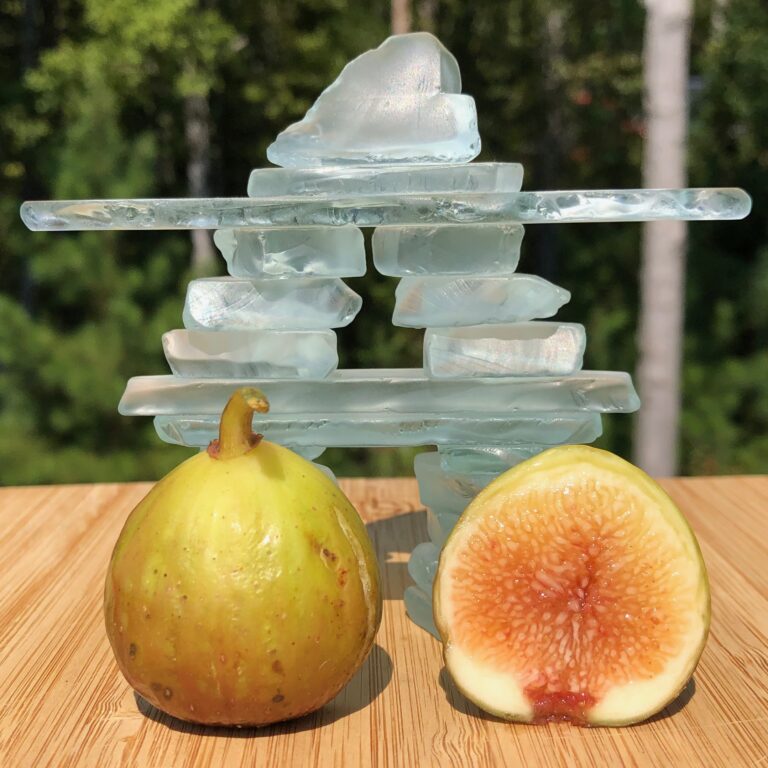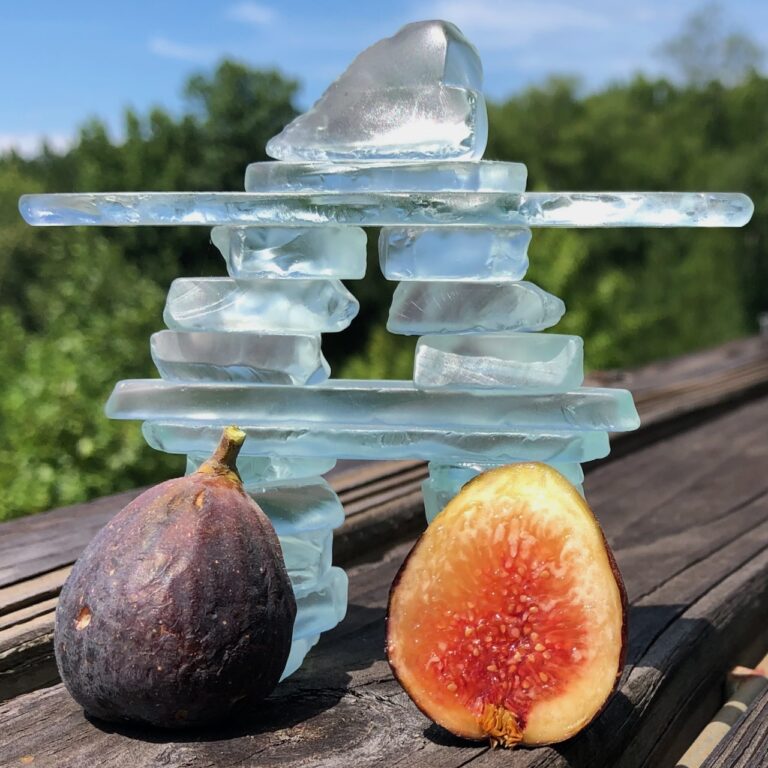
Col de Dame Noir
A favorite of the CdD fig family varieties.
Col de Dame Noir Fig Variety Key Features
- A common fig type, which does NOT require caprification
- DFIC 344 of the UCD fig collection
- One of our earliest CdD varieties
- Very productive
- The terrific CdD berry flavor and texture
Some complain of Col de Dame Noir being a very late variety, but we have found it to be earlier than most of our other CdD varieties – and more flavorful.
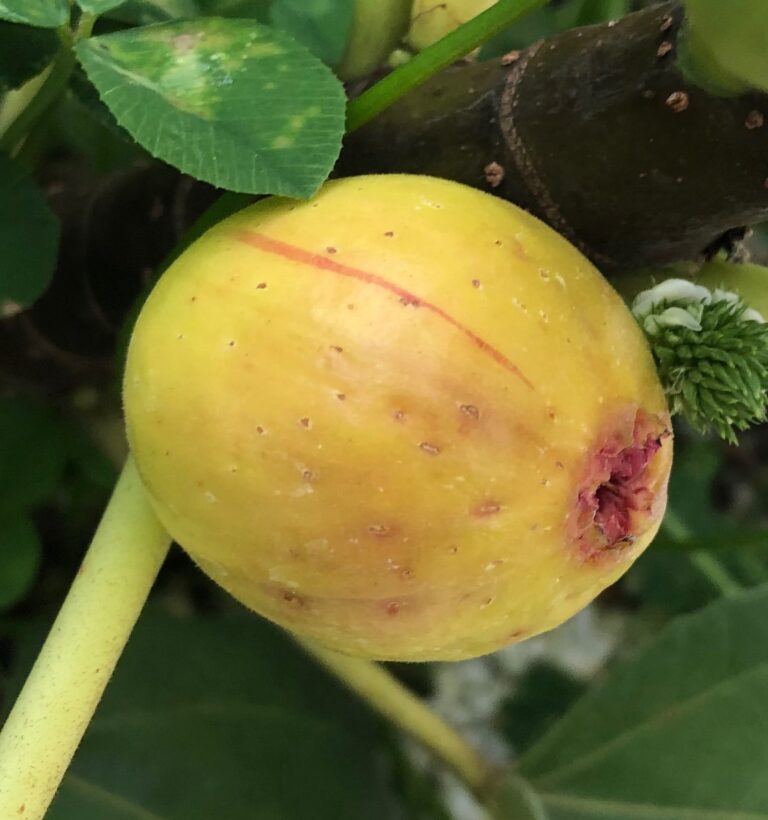
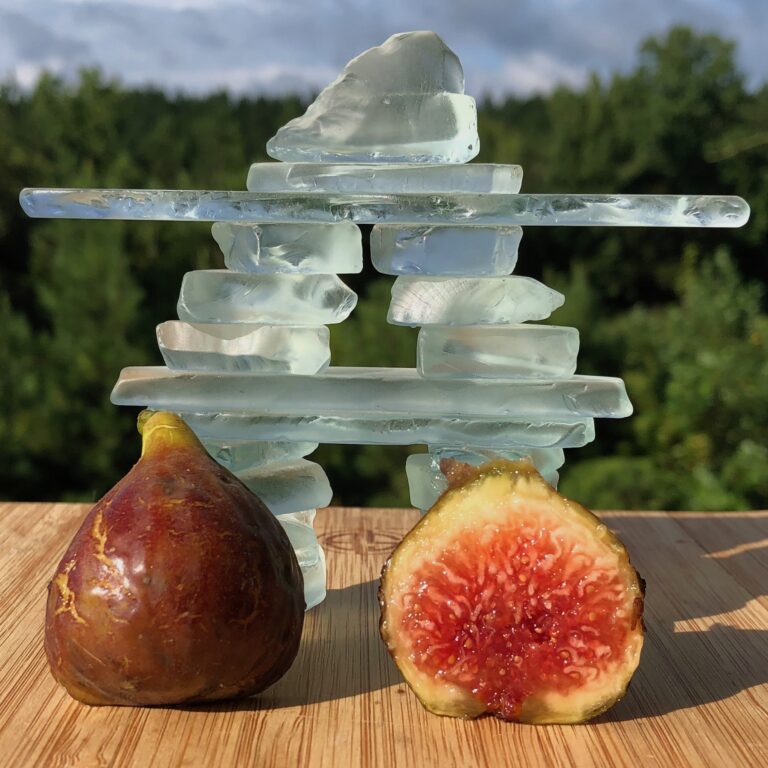
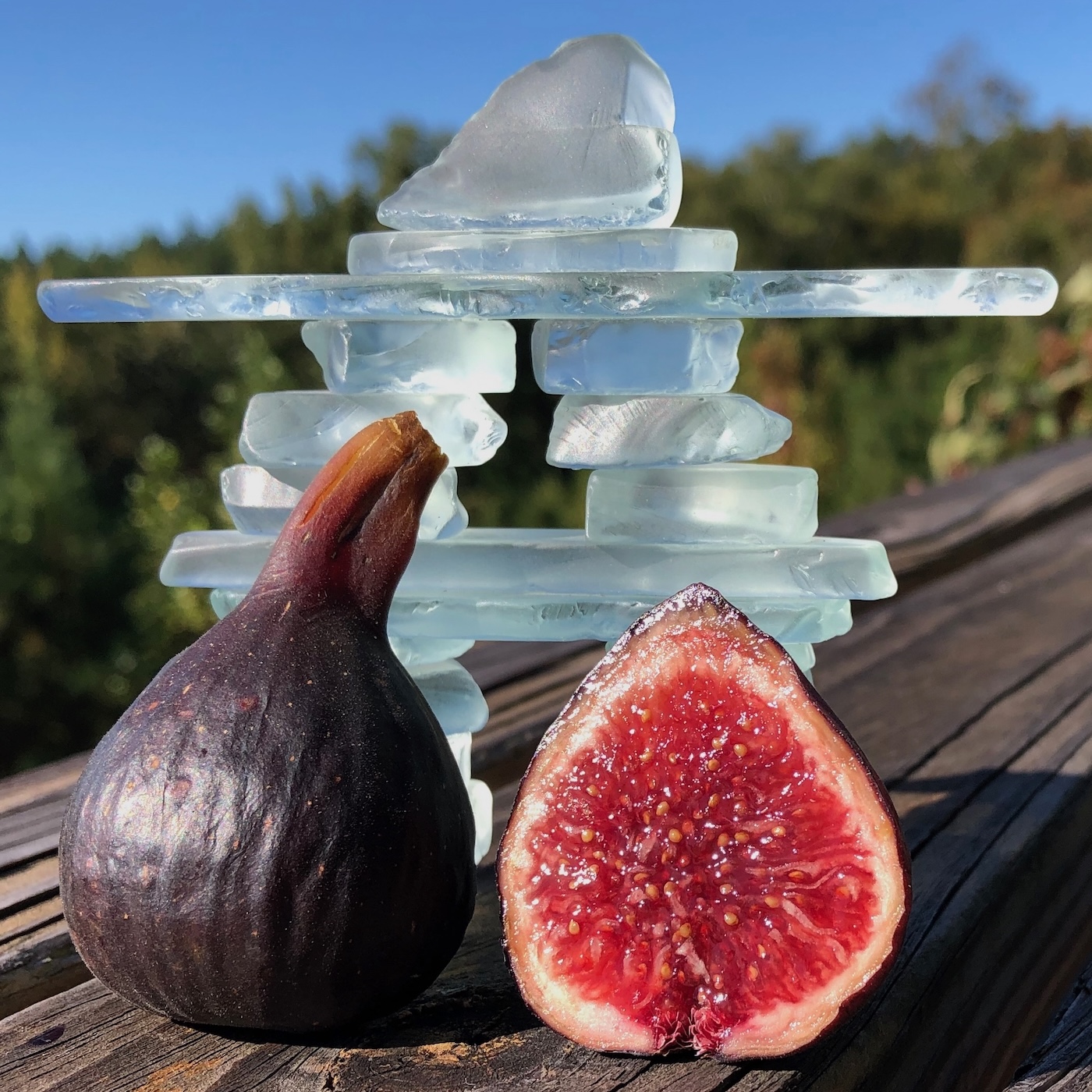
Col de Dame Noir Fig Variety Photos
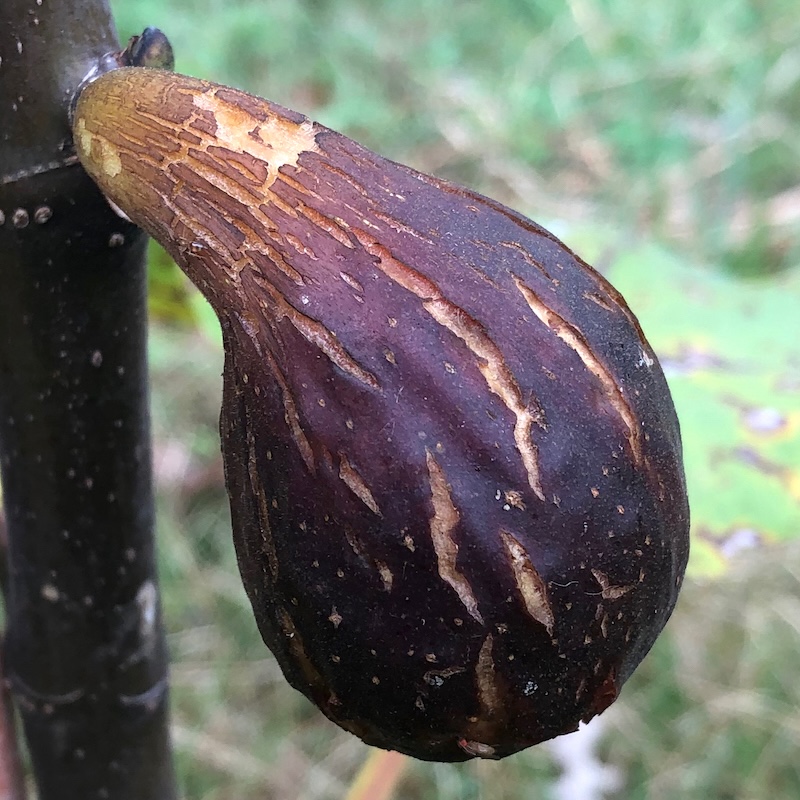
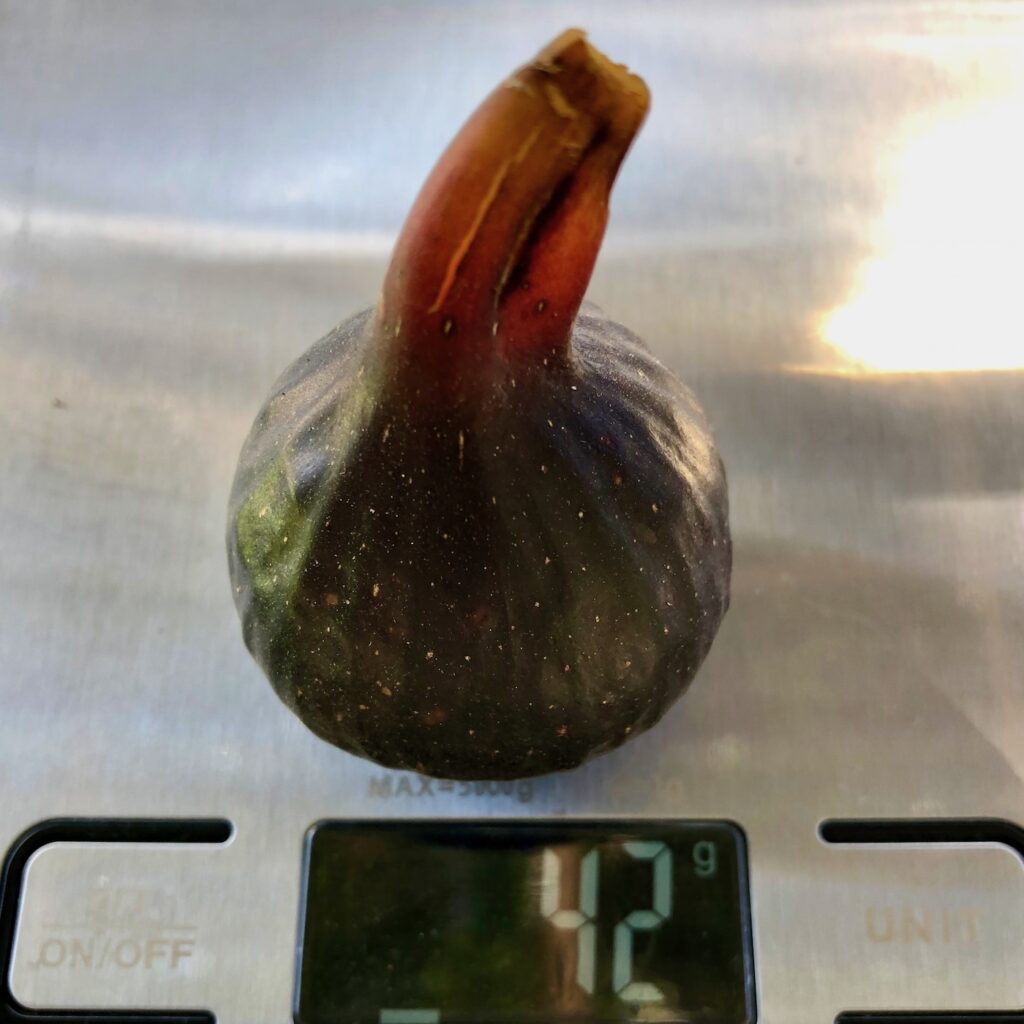
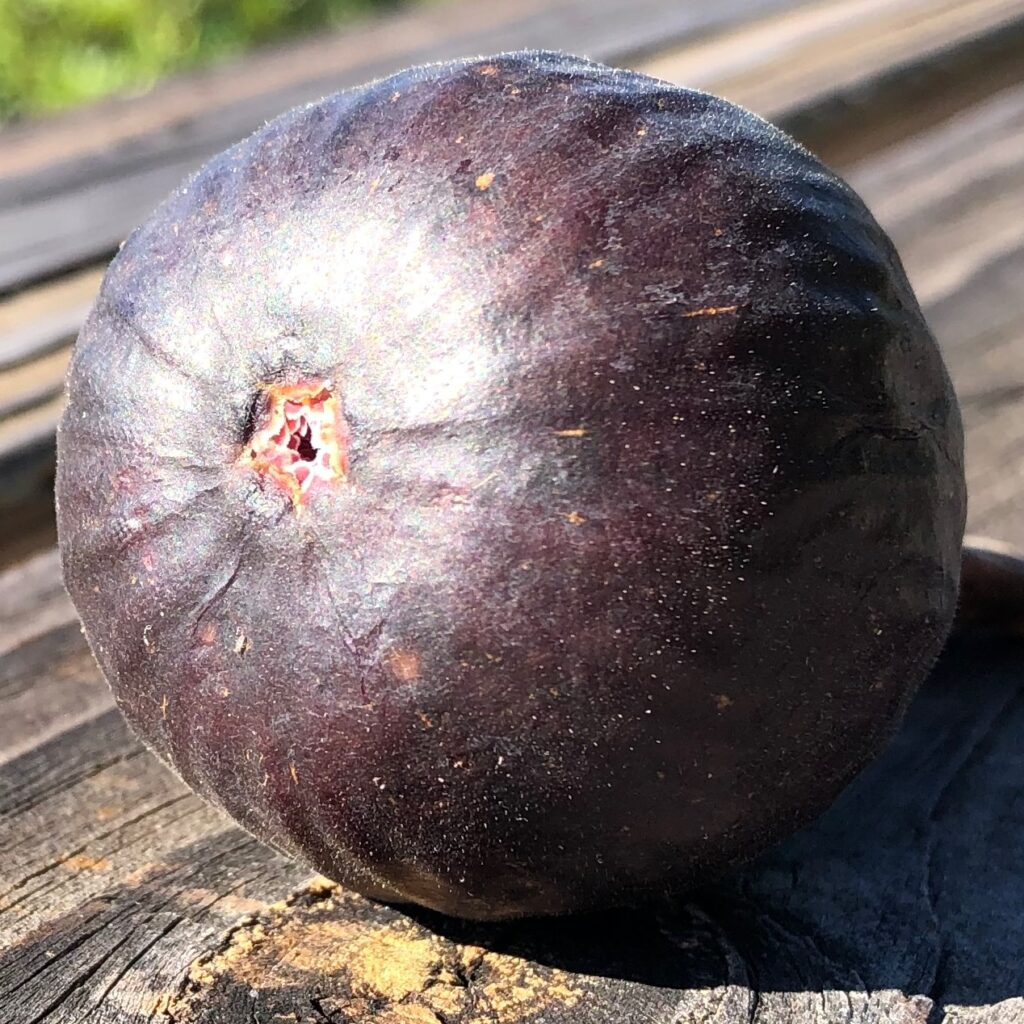
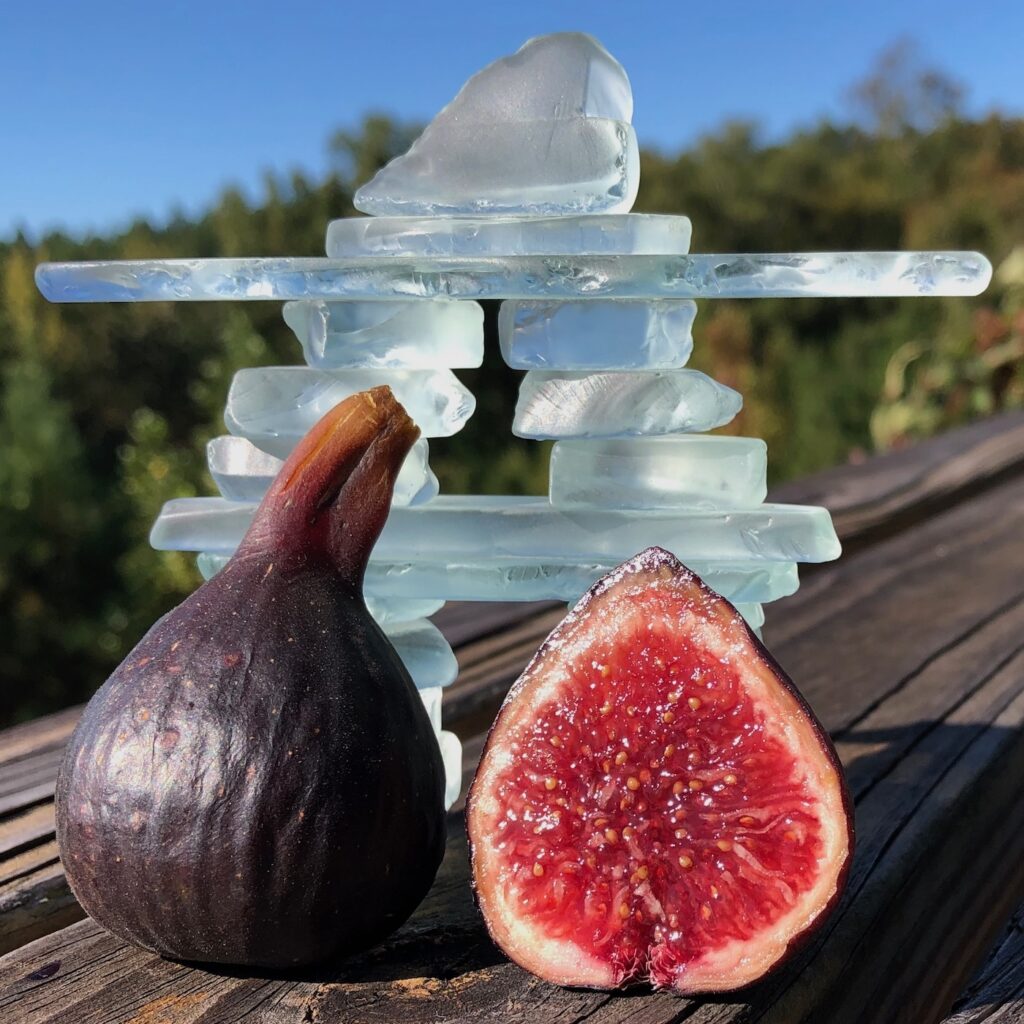
Fig Varieties: A Monograph by Ira J. Condit
Col de Dame Noir: (syns. Col di Signora Nero, or Negra, Col de Señora Negra, Cuello- de Dama Negra, probably Fico del Giammico of Guglielmi, Bouankirk.) Described by Audibert Frères (1854), Hogg (1866), G. S. (1869), Eisen (1888, 1901), Starnes and Monroe (1907), Guglielmi (1908), Estelrich (1910), Priego-y Jaramillo (1922), Mauri (1939b), Simonet et al. (1945), Delbard (1947), and Montagnac (1952). Illustration of fruit by Eisen; of tree, leaves, and fruit by Mann. In Spain, this black fig is not so common or so highly regarded as Col de Dame, although the fruit is said by Estelrich to be resistant to spoilage in wet weather. In France, it is a late variety of excellent quality; Eisen reported it as extensively cultivated near Roussillon, and as superior to Col di Signora Bianca. Simonet reported that the tree bears only one crop and questioned the statement of Eisen regarding a first crop. According to Mann, the name Bouankirk signifies “long neck.” The Kabyles also designate the variety by the names D’Abouch Takli, “breast of a negress,” and Abgait. It is widely grown in North Africa, but on account of thickness of skin it is not dried commercially.
Col de Señora Negra was introduced into California from England by John Rock in 1883; it was not included in the Chiswick collection. P.I. No. 6,467, listed as Baalie, has proved to be the same variety at Riverside. The following description is taken from that of Simonet.
Leaves large, 3- to 5-lobed; margins undulate. Figs medium; average weight 45 grams; body subglobular to oval; neck elongated-cylindrical, thick; ribs prominent, elevated; stalk very short; eye small, with dark-red scales; skin fine, but fairly resistant, checking crisscross at full maturity; color dark violet, greenish toward the stalk; meat white; pulp deep red, luscious; quality excellent. Season late.