
Is There Value in Questions?
Is an inquisitive mind important to God? Can our yearning for understanding play a pivotal role in our relationship with God?

Is an inquisitive mind important to God? Can our yearning for understanding play a pivotal role in our relationship with God?
Is there something God is trying to show us through the three feast times mentioned in Exodus 23:14-17 & Deuteronomy 16:16-17?
Do we recognize the true value of understanding? Do we even know what it is?

“Cleanse out the old leaven that you may be a new lump, as you really are unleavened. For Christ, our Passover lamb, has been sacrificed”. 1 Corinthians 5:7 ESV As there is an “old leaven”, is there a “new leaven”? What is a “new lump”? Understanding the actual properties of leaven can help us to better understand its meaning in our lives.

The apparent vastness and complexity of The Bible is simplified by the fulfillments in Jesus Christ.

After showing how sin is not even mentioned by God in the Passover and Feast of Unleavened Bread in Israel’s example or the ceremonial feast system, we take a similar look at the “Historical-Prophetic Time-Line”.

We cover how Atonement features can happen at the cross with Passover, without disrupting the fulfillment sequence of God’s Feasts in the “Historical/Prophetic Time-line”.

Before we can demonstrate that leaven does not picture sin in the “Historical/Prophetic time-line” of God’s Feasts, we have to evaluate some apparent inconsistencies of The Cross.

If leaven represents sin, where do we find sin in the “Shadow” of God’s Ceremonial Feast system and the “Example” of Israel?
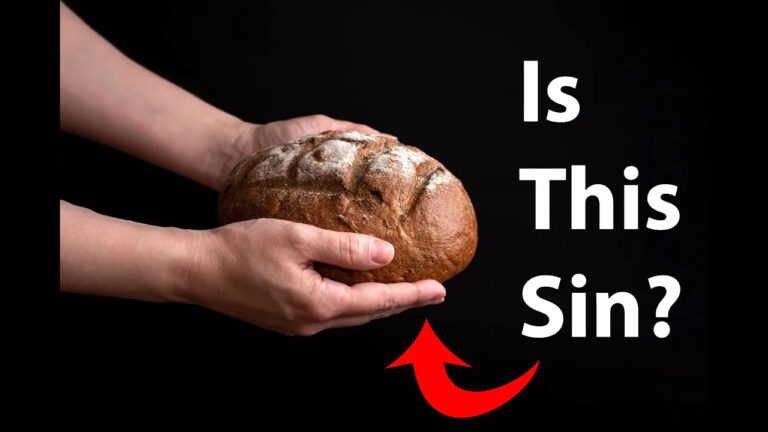
Does leaven represent sin? Are you sure? Have you proven it? Or have you just had this idea repeated to you so frequently that it is difficult for you to consider an alternative meaning? What does leaven actually symbolize in The Bible?