

Glossary Terms

  • Hrema

    Hrema (ῥῆμα): An ancient Greek term referring to an individual spoken word, a vocal utterance, a speech fragment, or a specific saying. Derived from the verb meaning “to speak”, a hrema implies the operational, literal sound and direct breath of a spoken message (such as the specific words coming from the mouth of God in…
  • Logos

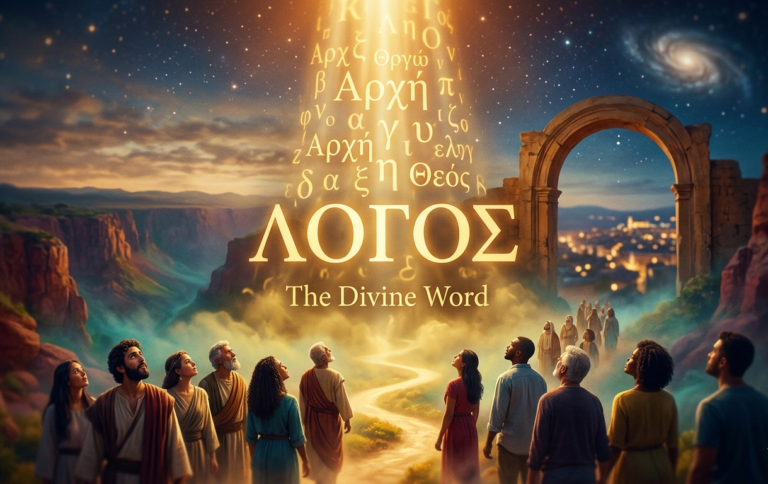
    Logos (λόγος): An ancient Greek term traditionally translated as “Word” in English Bibles (most famously in John 1:1). However, rather than just vocabulary or speech (which the Greeks called hremata), Logos refers to an ultimate organizing principle, supreme logic, dynamic creative power, and cosmic meaning.

  • Meta

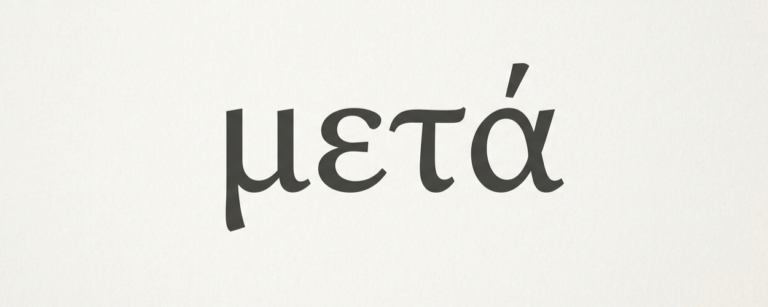
    Meta (μετά): A dynamic Koine Greek prefix that denotes a change of place, condition, or direction. It translates broadly to “after,” “with,” or “beyond.” When attached to a root word to form a compound term, meta acts as an engine of transcendence, elevating or transitioning the base concept to a higher or altered state. For…

  • Metaballo

    Metaballo (μεταβάλλω): A compound verb combining meta (change/transfer) and the root verb ballo (to throw, cast, or propel). Literally meaning to aggressively throw one’s trajectory into an entirely new direction, metaballo serves as the critical, dynamic bridge between an internal shift of the mind (metanoia) and a permanent transformation of essence (metamorphoo). It is the…

  • Metamorphoo

    Metamorphoo (μεταμορφφόω): A compound verb combining meta (change/beyond) and morphe (the essential, unchangeable nature of a thing). Unlike external behavior modification, metamorphoo represents a fundamental inner transformation—an organic change of essence from the inside out (the root of the English word metamorphosis). It is the ultimate fruit of a renewed mind, used to describe Christ’s…

  • Metanoia

    Metanoia (μετάνοια): A compound noun formed by joining the prefix meta (signifying change, transition, or transcendence) and the root word nous (the mind or central seat of perception). While English Bibles traditionally translate metanoia as “repentance,” the original text implies far more than emotional remorse, guilt, or behavioral modification. It represents a vertical shift—a structural…

  • Metaschematizo

    Metaschematizo (μετασχηματίζω): A compound verb combining meta (change) and schema (the fleeting, temporary outward fashion or costume of a thing). It means to alter one’s outward appearance, disguise oneself, or put on a superficial mask. This term represents the human ego’s clever counterfeit of true spiritual growth—changing external behaviors or religious “personas” to look righteous…

  • Shema

    Shema (שְׁמַע): The literal Hebrew imperative meaning “Hear!” or “Listen!” In ancient Hebrew thought, shema implies far more than simply processing audio data; it means to listen with deep intellectual concentration and immediately respond with faithful, responsive action. Liturgically, the Shema refers to the crown jewel confession of the Jewish faith found in Deuteronomy 6:4:…